NEP 2020 and the National Curriculum Framework for the Foundational Stage ask schools to develop the whole child, not only reading and counting. The idea is simple, but it raises a practical question: what does holistic development look like on a Tuesday morning in LKG?
The areas of growth
- Language and literacy: listening, speaking, early reading and writing, in more than one language.
- Numeracy and thinking: counting, comparing, patterns, shapes and simple problem solving.
- The world around us: animals, plants, the body, family, helpers, seasons and safety.
- Social, emotional and values: sharing, manners, feelings, friendship and care for nature.
- Physical and fine-motor: movement, grip, tracing, cutting and pasting.
- Art and creativity: colour, craft, music and rhyme.
Why books matter for holistic learning
A timetable alone does not make learning holistic. Each area needs its own material, and the material needs to connect. When a child learns the word mango in English, counts mangoes in maths, colours one in art and sings about fruit in a rhyme, the learning stays.
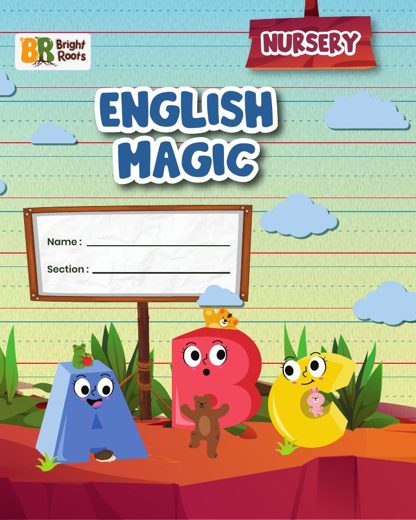
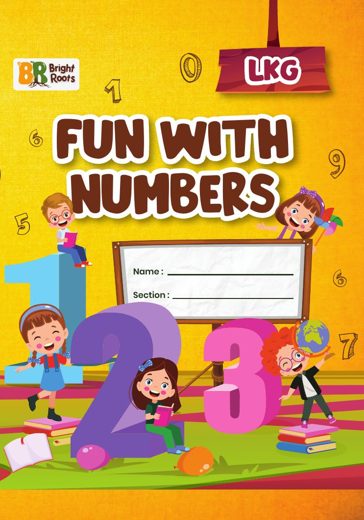
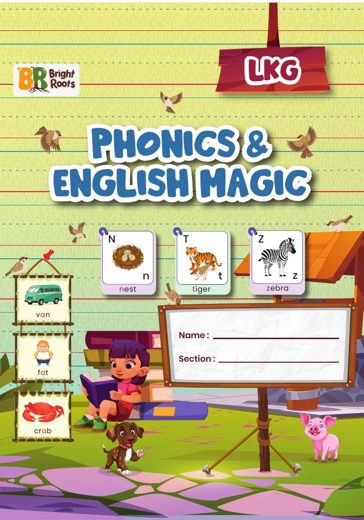
The Bright Roots set is built this way. Know and Grow covers awareness of the world, Fun with Numbers covers numeracy, Fun with Activities builds fine-motor and language skills, Little Artist covers art and craft, Rhyme Time and कविता का समय bring rhymes and stories in English and Hindi, and Value Education in UKG covers values.
Planning for all areas every week
The Bright Roots academic planner gives each subject its own days in the week, so no area is left out. Circle time, rhymes and art appear in the daily routine alongside English, Hindi and maths.
Seeing each child's progress
Holistic development also means looking at each child across all areas. A learning outcomes tracker lets the teacher record what each child has achieved, is developing or is beginning, term by term.